Bone void filler for fracture repair

Bone void filler for fracture repair

When a fracture crushes bone, fixation alone leaves a hole. ACTIFUSE fills it.

Contact Us

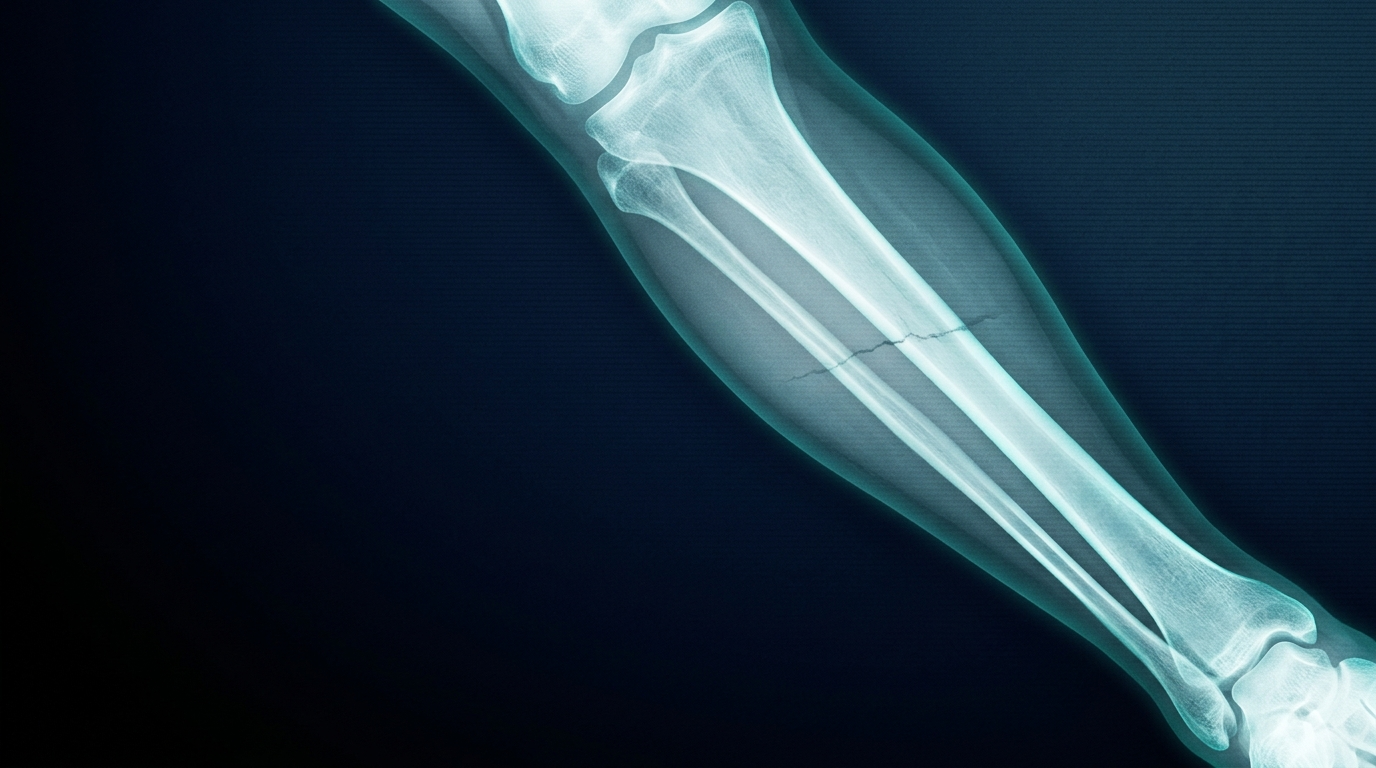
Depressed tibial plateau fractures, distal radius fractures, calcaneus fractures: when bone is crushed rather than cleanly broken, lifting the surface back into place leaves a void underneath. ACTIFUSE packs that void with a mineral scaffold, supporting the reduction while new bone grows through and replaces it. Always used with appropriate stabilizing hardware.

Why You Can Trust Us

Authorized distributor of Baxter ACTIFUSE
93% fusion across 694 patients, independent review
FDA cleared and used in US spine surgery since 2007
In the OR with your surgeon, OH MI IN and Pittsburgh

Our process

  1. 1
    Reduction first
    The surgeon restores the bone surface to where it belongs.
  2. 2
    The void gets packed
    ACTIFUSE granules or putty fill the defect beneath, gently packed against bleeding bone.
  3. 3
    Hardware holds the position
    Plates and screws carry the load. ACTIFUSE is a void filler, not structural support.
  4. 4
    Bone replaces the graft
    The scaffold resorbs as the defect fills with the patient’s own bone.

Why Choose Us

An unfilled defect under a repaired joint surface is a collapse waiting to happen, and harvesting the patient’s own bone to fill it means a second surgical site on someone already injured. The void needs a filler that stays put, tolerates the surgical field, and turns into real bone.

What patients ask after a bad break

Large bone void in tibial plateau fracture

You are fixing a tibial plateau fracture. The defect after elevation is big. You need to fill it so the joint surface does not collapse. You are not sure which graft will hold up under that load.

Pick a graft that resists compression and supports the articular surface. A moldable, high-porosity graft like ALTAPORE SHAPE packs into irregular voids and stays put. For smaller subchondral gaps, a flowable graft delivered by syringe gives complete fill without leaving dead space. Always use it with rigid internal fixation; the graft is not load-bearing on its own.

Weight bearing after tibial plateau fracture repair with synthetic graft

You fixed a tibial plateau fracture and packed the void with a synthetic bone graft. The patient is asking when they can put weight on the leg. You want a protocol that accounts for the graft material.

Weight bearing depends on the fixation, not the graft. The graft provides a scaffold for bone ingrowth but does not add immediate structural support. Follow your standard postoperative protocol for the plate and screws. Most patients stay non-weight-bearing for 8 to 12 weeks, with progression based on X-ray healing. The graft will remodel over that time; early loading does not speed it up.

How to choose a bone graft substitute for distal radius fracture

You are fixing a distal radius fracture with a dorsal comminution and a void. You want a graft that stays in place, does not interfere with the hardware, and remodels quickly. There are granules, putties, and moldable strips. You are not sure which form to pick.

Match the graft form to the void shape. For a small, contained cavity, a flowable graft in a syringe (like ACTIFUSE FLOW) fills every corner without overpacking. For a larger, uncontained defect, a moldable graft (like ACTIFUSE SHAPE) holds its form and does not migrate. If you need antibiotic delivery, ACTIFUSE ABX gives you enhanced handling plus the option to mix in powdered antibiotics. Avoid granules that can scatter into the joint.

Cost of bone graft substitute for calcaneus fracture repair

You are planning a calcaneus fracture repair with a bone void. The hospital wants a cost estimate per case. You only see prices quoted per spine fusion level and that does not match your usage.

Calcaneus fractures often need 5cc to 10cc of graft. Price it by volume, not by level. Synthetic grafts like ACTIFUSE are priced per cc. Ask your rep for a per-case cost breakdown that includes the delivery system. Compare that to the cost of a second surgery if the void is left unfilled or collapses.

Synthetic bone graft in open fracture with contamination

You have a grade II open tibia fracture with bone loss. You want to use a synthetic graft to fill the defect, but you worry about infection. You are not sure if it is safe to place the graft during the initial debridement or if you should wait.

Synthetic grafts like ACTIFUSE are inorganic and do not provide a food source for bacteria the way allograft can. They can be used in a contaminated field after thorough debridement and irrigation. Many surgeons place the graft at the index procedure to maintain space and deliver local antibiotics mixed into the graft. If there is gross purulence, stage the grafting for a second look 48 to 72 hours later.

ACTIFUSE FLOW vs ACTIFUSE SHAPE for fracture void filling

You have a distal radius fracture with a metaphyseal void. You have ACTIFUSE FLOW in a syringe and ACTIFUSE SHAPE on the shelf. You are not sure which one gives better fill and handling for this case.

For narrow, deep voids where you need the graft to flow into crevices, use ACTIFUSE FLOW. Its syringe delivery lets you place it precisely without overpacking. For a wide, shallow defect that needs to hold its shape while you close, ACTIFUSE SHAPE molds to the cavity and stays in place. If the void is both deep and wide, start with FLOW to fill the bottom, then cap it with SHAPE.

Trusted Partners

Baxter Healthcare
Partner

Strategic partnership powering Elite Surgical's innovative bone graft solutions

Fracture Repair by area

The specific situations we handle in each area. Tap an area to see the full answers.

Allegheny Health Network, PA
Cincinnati Children’s, OH
IU Health, IN
University Hospitals Cleveland, OH