
Why does my back still hurt after spinal fusion?
Roughly 20% of instrumented fusions never fully heal. Here is how to tell, what a broken screw really means, and what surgeons change the second time, including the graft. We are Elite Surgical, the regional supplier of ACTIFUSE bone graft.
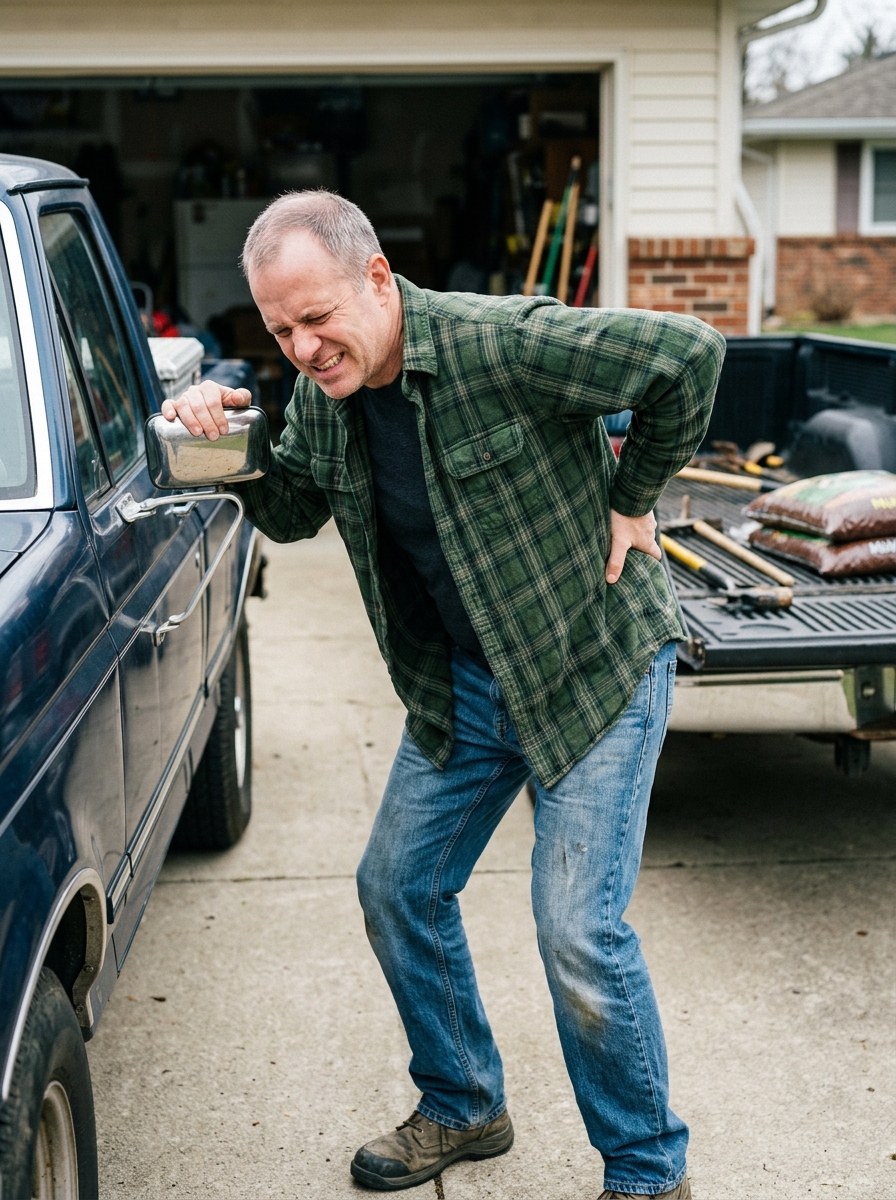
Sometimes the bones never grew together
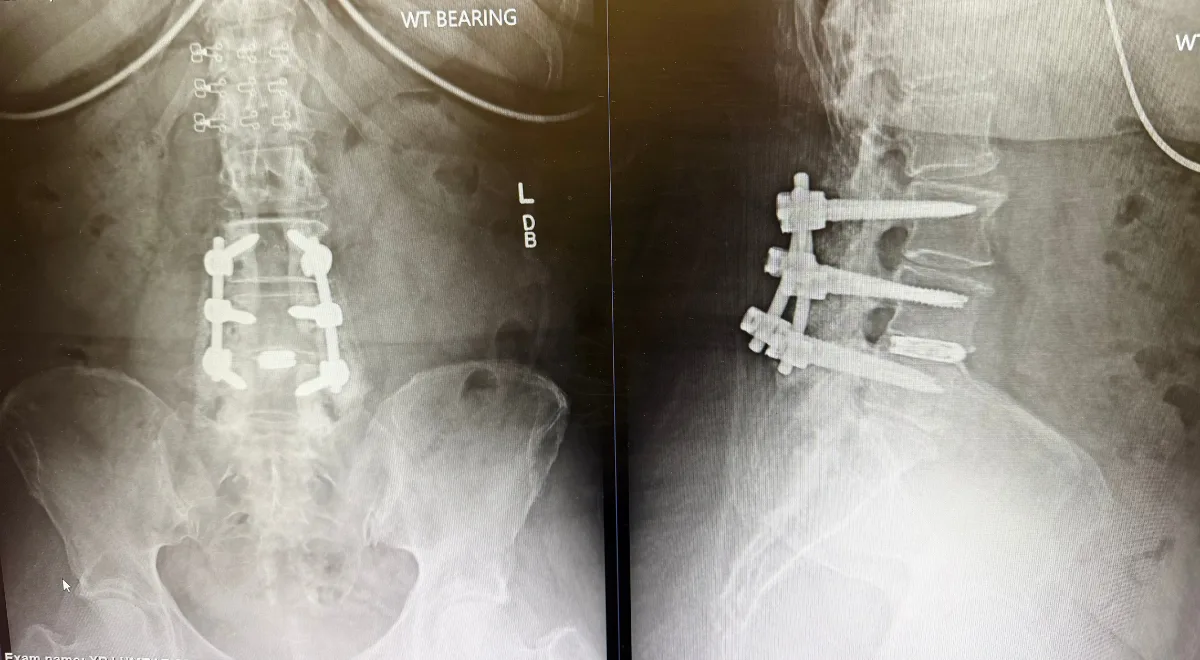
The screws and rods are a clamp. They hold your spine still so bone can grow across the gap. That bone growth is the actual repair. When it does not happen, it is called pseudarthrosis, or a nonunion, and a Johns Hopkins review puts it at roughly 20% of instrumented fusions. Your odds depend on your health, smoking, and how many levels were fused.
If you are months past surgery and still hurting, you are not imagining it, and there is a way to check.
What does a failed fusion feel like?
- Pain that never really went away, past the six month mark
- Pain that got better for a while, then came back
- A deep ache that is worse with activity and better lying down
- New pain that feels different from your original pain
- A clicking or shifting feeling
- Pain that returns suddenly after a small movement, which can mean hardware broke
What does a broken screw after fusion mean?
In a healed fusion, bone takes over the load and the hardware just sits there. In a fusion that never healed, the metal keeps taking every step you take, cycle after cycle, until it gives. A broken screw is usually the evidence, not the cause: the bone underneath never took over.
That is why replacing the hardware alone often is not the fix. If bone does not grow the second time either, the new hardware is on the same road. The second operation is about giving the bone every advantage, and the graft is one of the things surgeons change.
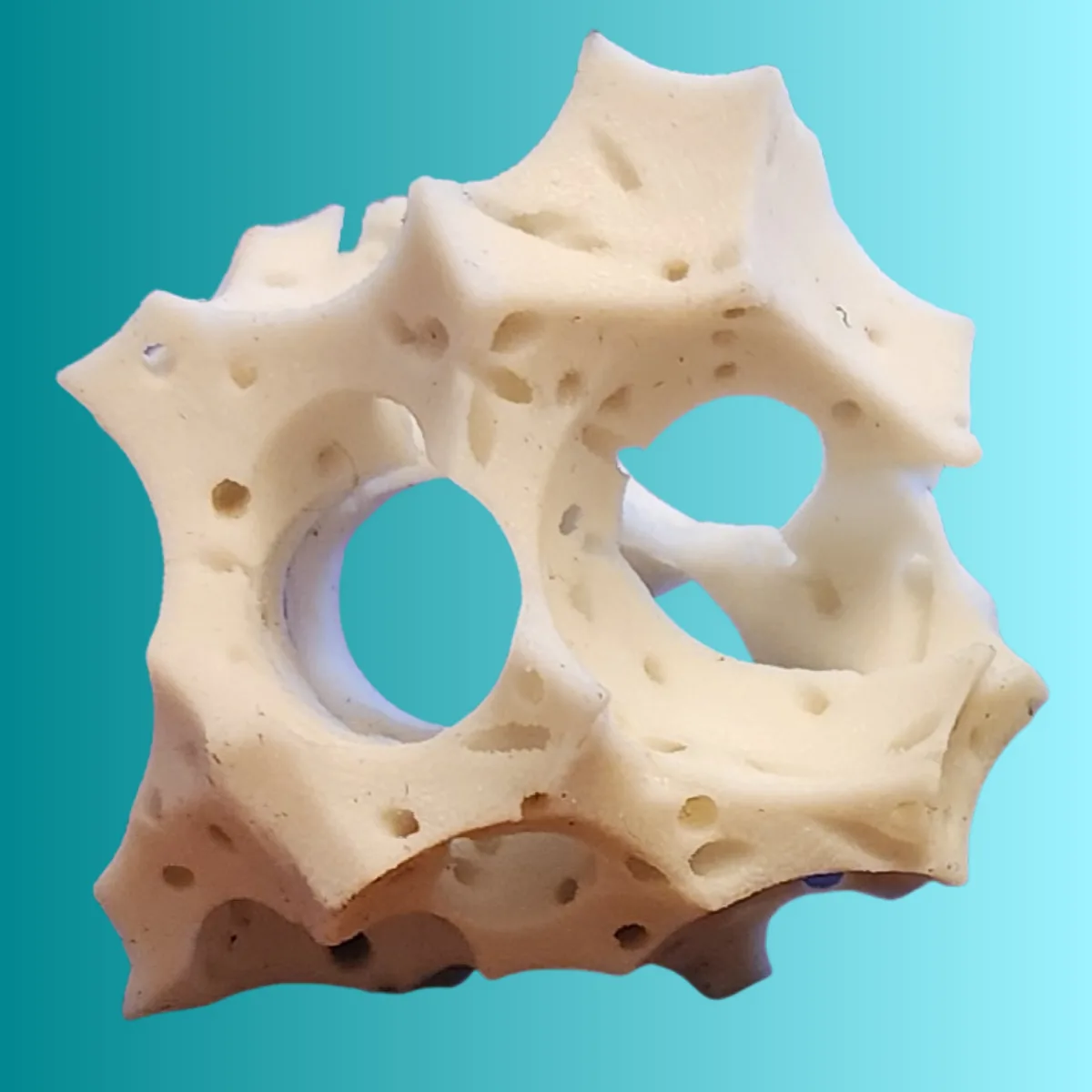
The bone graft surgeons reach for on revisions
ACTIFUSE, the graft we supply, fused 93% of 694 patients in an independent Johns Hopkins review, the same rate as the $900 to $5,500 biologic BMP-2, and with less reported back pain in the randomized trial. It works without harvesting bone from your hip, which matters twice as much if you have already been through one harvest.
Surgeons in our region have used it for over a decade because it stays where they put it and becomes your own bone. Whether it fits your revision is your surgeon’s call, and we will put the full data in their hands same day.
Six questions to ask your surgeon
- Is the fusion definitely not healed, and how do you know? Did I have a CT?
- What graft was used the first time, and what is planned this time?
- Will you take bone from my hip? What happens if we do not?
- Why do you think it failed, and what are we changing?
- What is your fusion rate on revisions like mine?
- What are my options if I do not have another surgery? Not every nonunion needs revision.
Frequently Asked Questions
Facing a revision? Make sure ACTIFUSE is in the conversation
Download the one-page surgeon summary and bring it to your consult. If your surgeon wants the full clinical data, Elite Surgical delivers it same day.