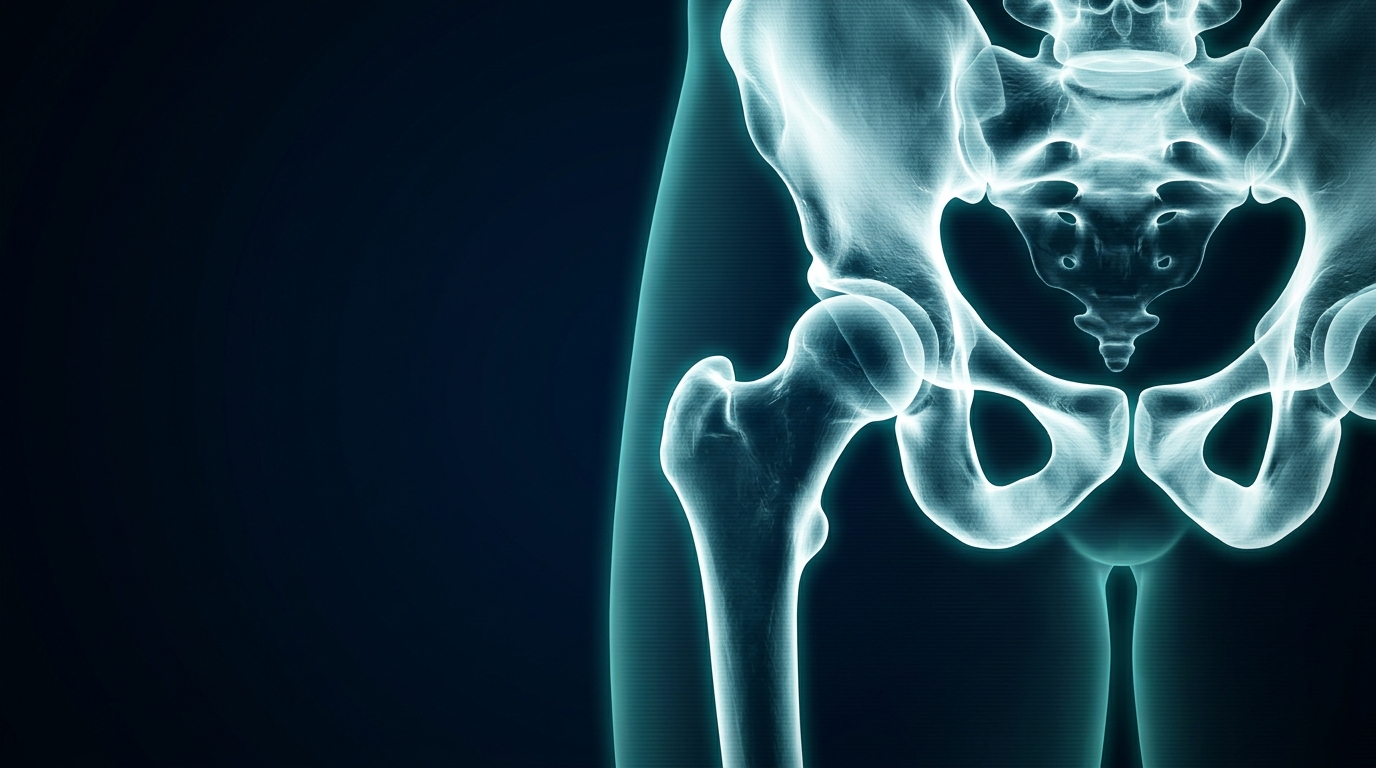
Bone graft for revision hip and knee surgery

Bone graft for revision hip and knee surgery

Revisions start with less bone than the first surgery had. The defects still have to be filled.

Contact Us

When an implant loosens or wears, it takes bone with it. Revision surgeons face acetabular defects, femoral defects, and tibial bone loss behind failed knee components, and every contained defect needs filling before the new implant can sit right. ACTIFUSE packs those defects with a mineral scaffold that remodels into the patient’s own bone as the revision heals.

Why You Can Trust Us

Authorized distributor of Baxter ACTIFUSE
93% fusion across 694 patients, independent review
FDA cleared and used in US spine surgery since 2007
In the OR with your surgeon, OH MI IN and Pittsburgh

Our process

  1. 1
    Old implant out, defect assessed
    The surgeon maps what bone is missing and what remains.
  2. 2
    Contained defects packed
    ACTIFUSE fills cavitary defects, gently packed against bleeding host bone.
  3. 3
    New implant seated
    Fixation and implant carry the load; the graft fills, it does not support.
  4. 4
    Remodeling
    The scaffold resorbs as the patient’s bone grows through the filled defect.

Why Choose Us

Bone loss is the defining problem of revision joint surgery. Iliac crest harvest is a hard ask in an older revision population, donor bone varies, and the defect still has to fill with something that becomes living bone rather than sitting inert forever.

What patients ask about revision surgery

Tibial bone loss behind a failed knee replacement

You open a revision knee and find a contained tibial defect behind the old baseplate. You need something that packs the void and supports the new implant.

Pack the contained defect with a porous synthetic bone graft scaffold. It should hold shape and remodel as the revision heals. Do not leave the defect empty or filled with cement alone.

Tibial defect found during knee revision

You remove a failed knee implant. The tibial bone underneath has a contained defect. You did not see the full bone loss on the X-ray.

Pack the contained defect with a moldable bone graft substitute that has high porosity and remodels into host bone. Avoid autograft if the patient already has a second surgical site. The graft should support the new implant while healing.

How to choose a bone graft substitute for a large acetabular defect in revision hip

You are revising a failed hip. The acetabulum has a large contained defect. You need a graft that fills the void, provides structural support, and remodels into host bone over time.

Pick a graft that packs the defect well and has high porosity for bone ingrowth. ACTIFUSE's 80% porous scaffold fills contained defects and remodels into the patient's own bone as the revision heals. For very large defects, consider a moldable version like ACTIFUSE SHAPE to adapt to irregular contours. Avoid grafts that resorb too fast and leave the cup unsupported.

Choosing a graft for femoral bone loss in hip revision

You are revising a hip. The stem removal left a femoral defect that is irregular and contained. You need a graft that fills the dead space and holds its shape.

Choose a moldable synthetic bone graft substitute for irregular femoral defects. It should pack into the canal without extra instruments. Look for a graft that remodels into host bone so the area is not left with permanent filler.

Choosing a graft for femoral bone loss in revision hip

Your revision hip has a contained femoral bone defect. You need a graft that fills it and handles well during surgery.

Look for a porous scaffold that holds shape when packed and remodels over time. Match the graft format to the defect. A runny material will not stay in an open femoral defect.

Bone graft cost for a revision hip

You are planning a revision hip. The hospital wants the bone graft cost per case before you book. You need a real number, not a surprise after the case.

Ask for per-cc or pack pricing, not a flat case price. Cost depends on the size of the acetabular or femoral defect. Compare synthetic graft cost to autograft, which includes OR time and a second incision.

Is synthetic bone graft safe in infected revision

You're revising an infected total knee. There's bone loss behind the tibial component. You're not sure if a synthetic graft is safe to put into a potentially contaminated field.

You need a graft that won't act as a sequestrum. Porous synthetic scaffolds like ACTIFUSE allow vascular ingrowth and antibiotic penetration. They don't provide a hiding place for bacteria the way a structural allograft can. Use it with a staged protocol and appropriate local antibiotics.

Cost of bone graft substitute for revision hip or knee

You are planning a revision knee or hip with bone loss. The graft cost seems high and you do not know if you are paying a fair rate.

Cost depends on defect size, graft volume, and delivery method. Ask for a per-cc price and an estimated total before you book the case.

Weight bearing after revision knee bone grafting

Your knee revision patient just had a tibial defect packed with bone graft. They want to know when they can walk. You need a safe timeline.

Set weight bearing based on implant stability and the size of the defect. Most contained defects need 6 to 12 weeks of protected weight bearing. Use a graft that remodels predictably so the bone heals before full load.

Trusted Partners

Baxter Healthcare
Partner

Strategic partnership powering Elite Surgical's innovative bone graft solutions